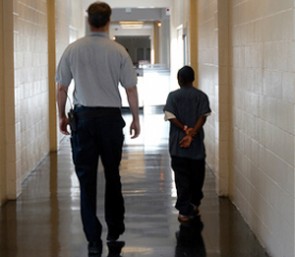
Photo courtesy of www.newsworks.org.
The National Association of Social Workers (NASW) is working with other organizations to the end the practice of trying, sentencing and jailing youth under age 18 in the adult criminal justice system.
That is why NASW wants to make you aware that October is Youth Justice Awareness Month (YJAM). Throughout this month there are opportunities for communities, families, youth and allies to host community-led actions and events to make the public aware of the consequences of putting children in adult prisons and jails.
Visit the Campaign for Youth Justice website to get a list of YJAM events, get the latest news on YJAM issues, and learn how to plan a YJAM event, among others things. The chief executive officer of the Campaign for Youth Justice is social worker Marcy Mistrett, MSW.
Take time to look at NASW resources on juvenile justice reform. They include the Practice Perspectives “Call the Principal, Not the Police: Preventing the School to Prison Pipeline” (available to NASW members) and the book “The Juvenile Justice System” (NASW Press, $22.99). NASW and its New Hampshire Chapter through NASW’s Legal Defense Fund also filed an amicus brief in support of a recent New Hampshire Supreme Court ruling to re-sentence four juveniles who had been put in prison for life without parole.