On Monday, July 25, NASW staff attended a congressional briefing on Strengthening the Rights of Older People held at the Dirksen Senate Building. The Briefing was led by the International Federation on Ageing in collaboration with the Global Alliance for the Rights of Older People and hosted by the Senate Committee on Aging. Speakers called for recognition of the rights of older people at the family, community, and institution levels. Current human rights conventions do not specifically and fully address rights related to older people, such as rights to secure living conditions that enable one to age with dignity, respect, and purpose. The United Nations Open Ended Working Group on Aging, established in 2010, will be holding its second session next week (August 1-4, 2011) to discuss gaps in protections of rights of older persons and the feasibility of creating a new UN Convention on the Rights of Older Persons. To learn more about the participation of NGOs in this meeting, click here. For a resource prepared to promote dialog on creating a new UN Convention, click here. To read more about NASW’s work on aging, please visit here.
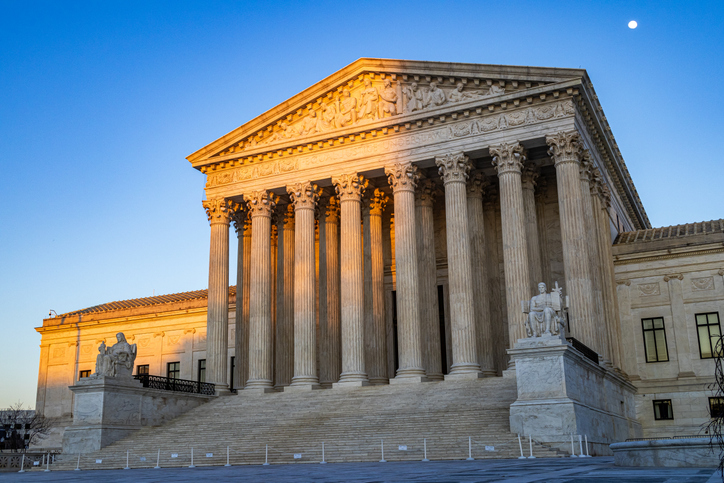
What Social Workers Need to Know About the Supreme Court’s Decision in Chiles v. Salazar
In an 8–1 decision in Chiles v. Salazar, the Supreme Court ruling raises significant implications for how social workers navigate ethical practice, client care, and the regulation of mental health services.