

Buy one, two, or best deal: all three.
Valuable tools graduates can use!
The Social Work Ethics Casebook: Cases and Commentary, 2nd Edition by Frederic G. Reamer
This book’s realistic ethics cases provide a useful tool for discussing ethical dilemmas and ethical decision making. Following each set of cases, Reamer includes commentary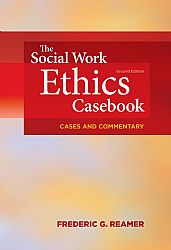 highlighting key ethics concepts and references to relevant standards in the Code of Ethics. The casebook highlights ethical issues related to confidentiality and privacy, informed consent, client self-determination, professional paternalism, boundary issues and dual relationships, conflicts of interest, cultural and ethnic diversity, termination of services, administration, collegial impairment, commitments to employers, social work education and training, and more. Each section of the book also includes discussion questions designed to enhance readers’ understanding and application of important ethics concepts.
The Social Work Dictionary by Robert L. Barker
The Social Work Dictionary is used by those who write licensing examination questions and those who conduct license preparation courses. It is the  foundational communications tool in undergraduate and graduate courses as well as continuing education programs.
Recognized by social work educators, researchers, practitioners, students, and policymakers as an essential guide to clear and precise communication in the profession, this indispensable reference work should be on the bookshelves of all social workers and human services professionals in the United States and abroad.
Faith-Based and Secular Meditation: Everyday and Posttraumatic Applications by Raymond Monsour Scurfield
Drawing on his 40+ years of meditation practice, experience as a Vietnam veteran, and decades of psychotherapy work with his clients, Ray Scurfield demonstrates how to introduce meditation into treatment for clients with posttraumatic stress disorder or everyday stress. His 12-step method includes selecting a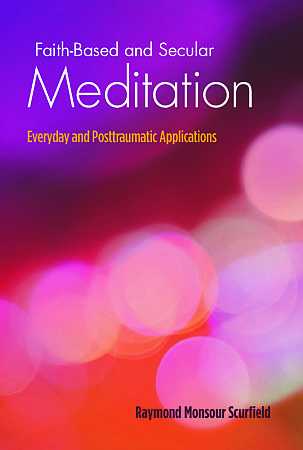 meditation technique that is best suited for each client, preparing for physical challenges during meditation, how to focus on breathing and manage inner and outer distractions, practicing together during sessions, and helping clients create a meditation routine.
This is a unique, creative, and practical book. Scurfield incorporates 100+ authenticated proverbs and sayings to illustrate key points. These range from Hindu, Buddhist, and Christian, to African, Native Hawaiian, and contemporary music and sports, e.g., “What you put attention on grows in your life,” “The gift is next to the wound,” and “Watch the (base)ball hit the bat.”
_____________________________________
For more information about all NASW Press titles, including books, eBooks, CEU books, reference works, journals, brochures, and standards, visit the NASW Press website. If you have questions, please send an email to NASWPress@BrightKey.net or call 1-800-227-3590.
_____________________________________
You Might Also Be Interested In . . .
2022 NASW National Conference

We’re back in DC! Join social workers, like-minded professionals, and social work thought leaders at NASW’s 2022 National Conference, June 22-25 in Washington, DC, for four days of unparalleled opportunities for professional development, the chance to earn up to 24.5 CEs, and long-overdue networking. Register now!