 The international human rights community will join forces for 16 Days of Activism Against Gender Violence between Nov. 25, the International Day for the Elimination of Violence Against Women, and Dec. 10, which is International Human Rights Day.
The campaign aims to raise awareness about gender-based violence as a human rights violation at the local, national, regional, and international levels. Such violence is a serious issue on a global scale — one out of three women worldwide will be raped, beaten or abused during their lifetime.
This is an opportunity to highlight the important role the International Violence against Women Act (IVAWA) can and should play in stopping the global epidemic of physical, sexual and other forms of abuse against women.
The National Association of Social Workers, as a part of the Coalition to End Violence Against Women and Girls Globally, encourages you to learn more about IVAWA and promote women’s right to live free from violence at Amnesty International USA.
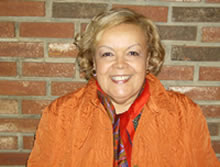 For more information on how the National Association of Social Workers addresses women’s rights issues contact NASW Senior Staff Associate Rita Webb, DCSW, ACSW, at rwebb@naswdc.org.