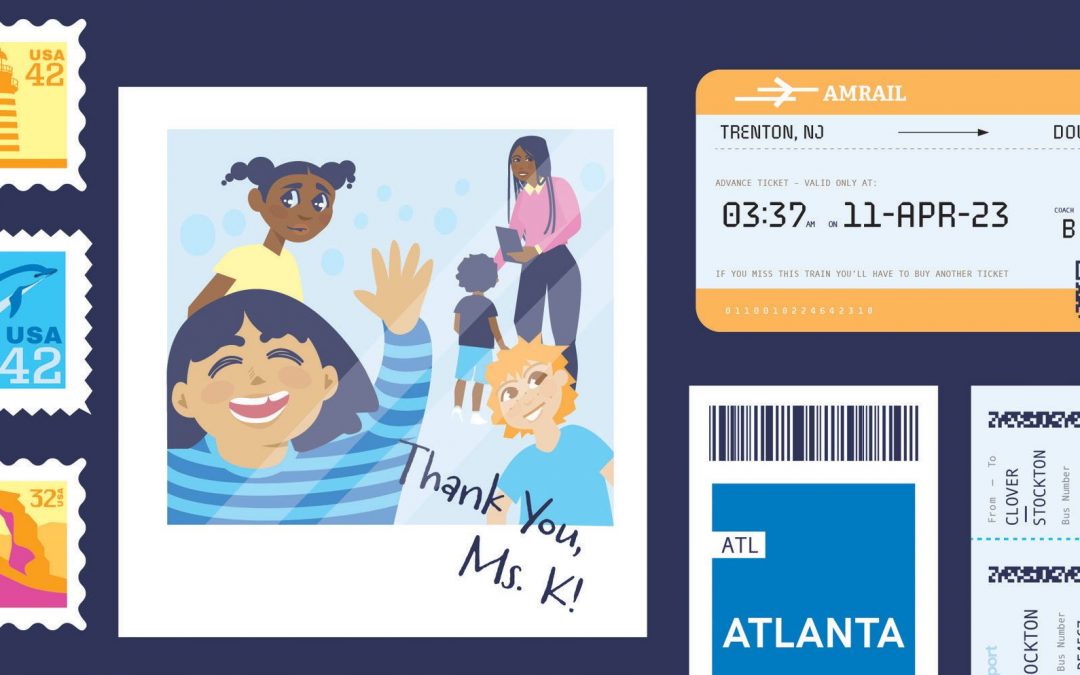

Image courtesy of the U.S. Department of Health and Human Services.
April is National Child Abuse Prevention Month. This year’s theme is “Building Community, Building Hope.”
Communities across the country have a great influence in families’ lives. Every person one can get involved and play a role in preventing child abuse and neglect and promoting child and family well-being. Social workers are in a unique position to get involved in some of these efforts.
For more information, resources and how to get involved in National Child Abuse Prevention Month click here. The Children’s Bureau, within the U.S. Department of Health and Human Services, funds the National Child Abuse Prevention Month initiative each April on the Child Welfare Information Gateway website.
Below you will find a list of webinars to support National Child Abuse Prevention month activities.
• April 5, 2:00 pm Eastern: Get inspired by two Community-Based Child Abuse Prevention (CBCAP) states’ innovative strategies to build public awareness and prevent child abuse and neglect. Register
• April 11, 2:00 pm Eastern: Hear from the National Network of Family Support Networks about efforts to deepen quality family support practice. Register
• April 19, 2:00 pm Eastern: Explore funding and partnership opportunities in prevention with National Alliance of Children’s Trust and Prevention Funds. Register