By Alison Laurio, News contributor
A child claims to feel sick to avoid going to school. A man with a chronic illness is not taking his medications because there is no one to take him to the pharmacy. An older woman living alone becomes depressed because she has no one to talk to.
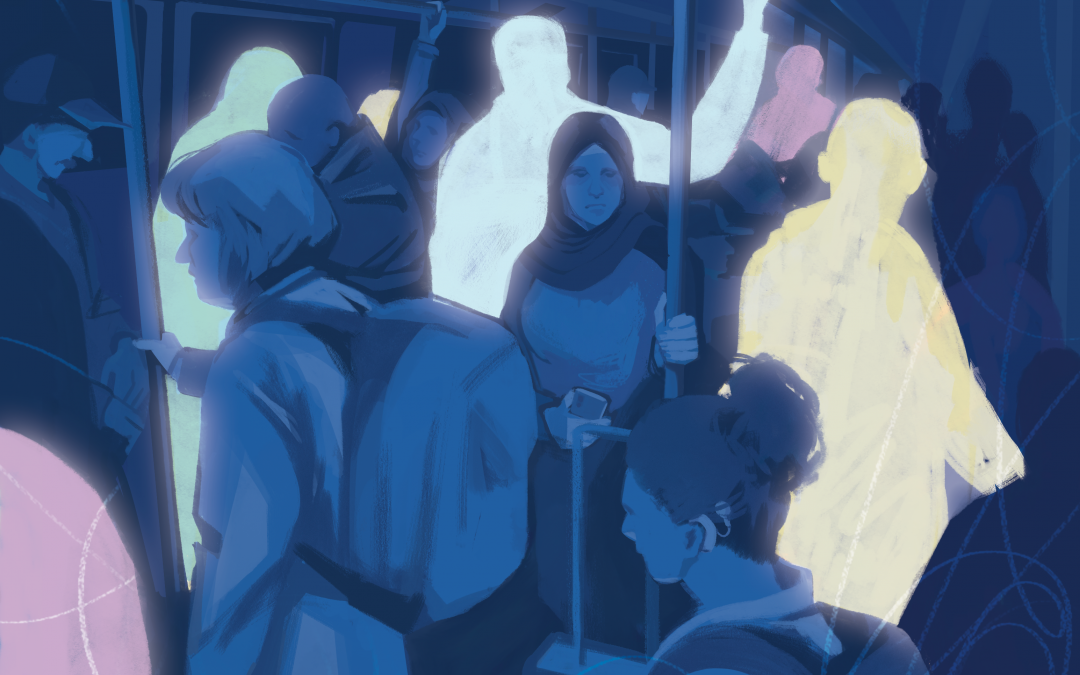
These scenarios illustrate some of the effects of social isolation, and also show it is not just older people who experience it. In fact, social isolation can take a toll at any stage of life, said James Lubben, MSW, who also has a Ph.D. in social welfare.
“Isolation is something that occurs throughout the life course; infants, teens, adults,” said Lubben, inaugural holder of the Louise McMahon Ahern Chair in Social Work at Boston College, founding director of the Boston College Institute on Aging and professor emeritus at UCLA.
Social isolation is not a new problem. But as attention to it grows, efforts to diagnose and treat it are increasing. And social workers are on the front line, helping patients, developing treatment techniques and programs, and calling for cross-discipline attention and action as they work to help older adults, people with health problems or chronic illnesses, children and youths, and those isolated because of technology or social media.
“I have a lot of passion for this topic, because I think it’s so critical,” Lubben said. “It’s finally getting the attention it deserves.”
The impact is critical because social isolation can be a killer, he said, and the number of people suffering from it are not known.
A ballpark estimate is at least one in 10 older adults is experiencing at least some form of isolation, Lubben said.
“Those numbers are hard to get, because we don’t have generational surveys,” he said. “That part of the message is very important, because the health issues it can create are on par with smoking. It’s something we don’t always give a proper status to in our regular lives, but it’s just as critical to our overall health.”
Eradicating social isolation is one of the 12 Grand Challenges for Social Work, outlined in the national initiative from the American Academy of Social Work and Social Welfare.
From the June 2016 NASW News.