By Paul R. Pace
Kristi Wood says her eyes were opened to the work of NASW when she was a student in the part-time MSW program at the University of Wisconsin-Madison.
“The NASW-Wisconsin executive director, Marc Herstand, came to our class and explained the profound work that NASW does to advocate for our profession and the people we serve,” Wood says.
Today, Wood has been honored to serve on the NASW-Wisconsin board for seven years.
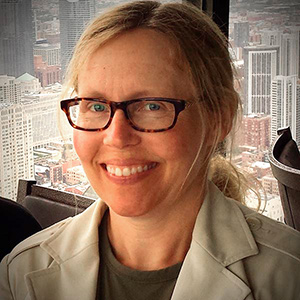
She has volunteered for her chapter as branch representative, secretary, president-elect, and president. She also has served as a member of the Legislative/Social Policy and Executive committees.
At the national level, Wood has volunteered her time as a member of the Child Welfare Specialty Practice Section committee. She proudly chairs the NASW National Committee on Women’s Issues (NCOWI), where they recently published a statement denouncing the attack on women’s reproductive rights.
Wood has worked in the human services and social work field for about 30 years, primarily in residential treatment, group home, and foster care environments. When chapter rules required her to take a year off from serving, she decided to run for the national board of directors. Wood, MSW, CAPSW, won her seat recently as director of Region VIII, which includes Indiana, Michigan and Wisconsin.
NASW members can read the full story here after logging in.