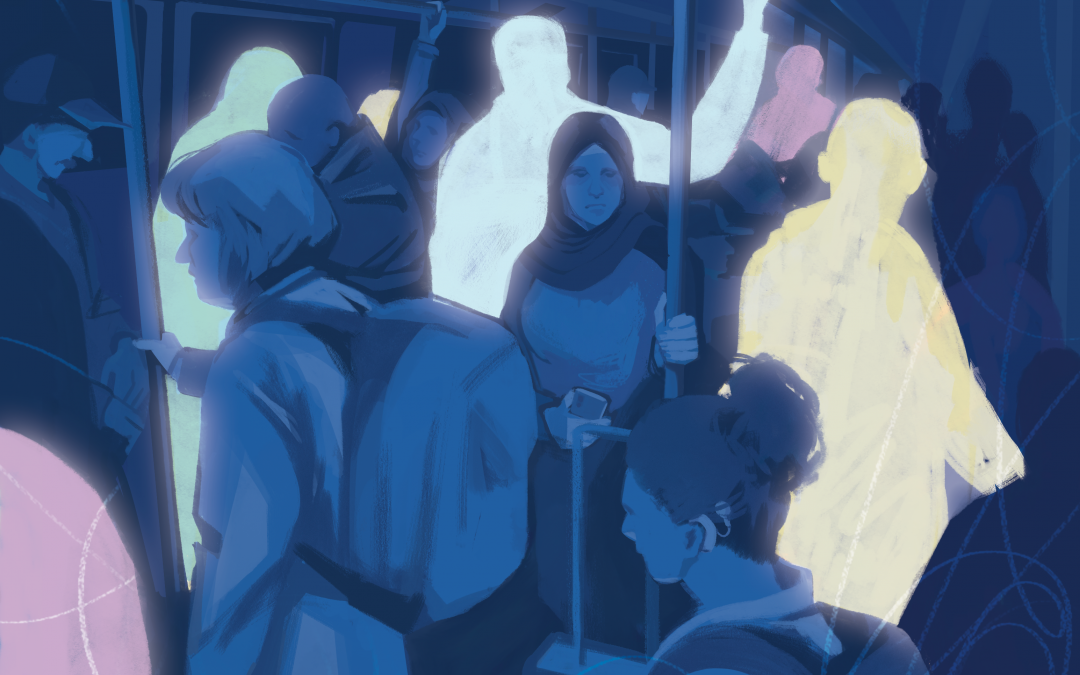
Dissociative identity disorder (DID), previously known as multiple personality disorder, is a misunderstood and often underdiagnosed condition. A new NASW Press book, Diagnosing and Treating Dissociative Identity Disorder: A Guide for Social Workers and All Frontline Staff, can help both new social workers and experienced frontline staff who may be new to DID.
The author, Gregory L. Nooney, has worked in community mental health centers for most of his 35-plus years as a social worker/therapist. He says he has discovered that an overwhelming number of those clients experienced complex childhood trauma and have attachment wounds.
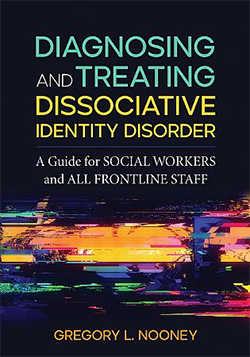
“Many experience life-disruptive dissociation and meet criteria for DID,” Nooney explained. “I am passionate about dispelling myths about this condition, which are rampant in the media, in the dominant culture, and unfortunately in many cases, within the professional mental health community itself. Unless the dissociative experiences of these clients are acknowledged, therapeutic treatments are unlikely to be successful.”
Read the full story at the NASW magazine, Social Work Advocates, here.