
By Raju Chebium
Maria Rangel earned her MSW in May from Loyola University Chicago and already has a job. The 50-year-old native of Mexico, who is fluent in Spanish and English, was offered a full-time job by the community service agency where she did one of two internships prior to graduation.
Jaileene Arriaga is a year away from earning her MSW at the University of Connecticut but has already been offered a full-time job at the community service agency where she interned. The 27-year-old Hartford native, who is of Puerto Rican descent and is fluent in Spanish and English, is hoping to postpone her start date until after she graduates.
Rangel and Arriaga are bilingual, bicultural social workers, which makes them highly sought after by social service employers. They enrolled in MSW programs that offer coursework in Spanish and English and focus on producing graduates with the skills to serve Spanish-speaking populations in their communities.
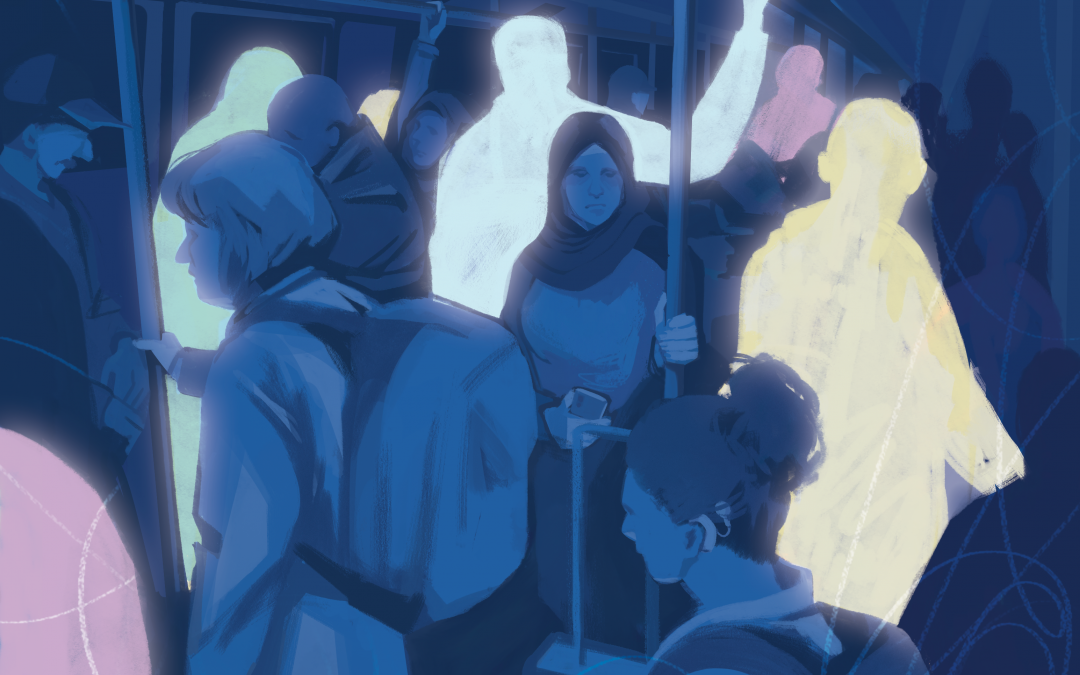
The social work profession needs people with this kind of professional and linguistic skill set to serve an increasingly diverse U.S. population. Experts say there is a shortage of social workers who are fluent in a language other than English.
Kimberly Warmsley, LCSW, executive director of NASW’s California chapter, said there isn’t a database that shows precisely how many bilingual social workers the country needs, and how many there are.
But there is clearly a shortage of social workers in general, and the problem is that much more acute when it comes to finding social workers who are skilled in more than at least one language besides English, Warmsley said. That’s certainly the case in California, the nation’s most populous state and one of its most diverse.
Read the full story in the NASW Social Work Advocates magazine.