
By Maren Dale
Every day, 17 veterans die by suicide.
The number is tragic. At the same time, it can get lost in the volume of data social workers interact with every day. It also can be hard to fully grasp the scope of what that figure means. So, consider this for a moment:
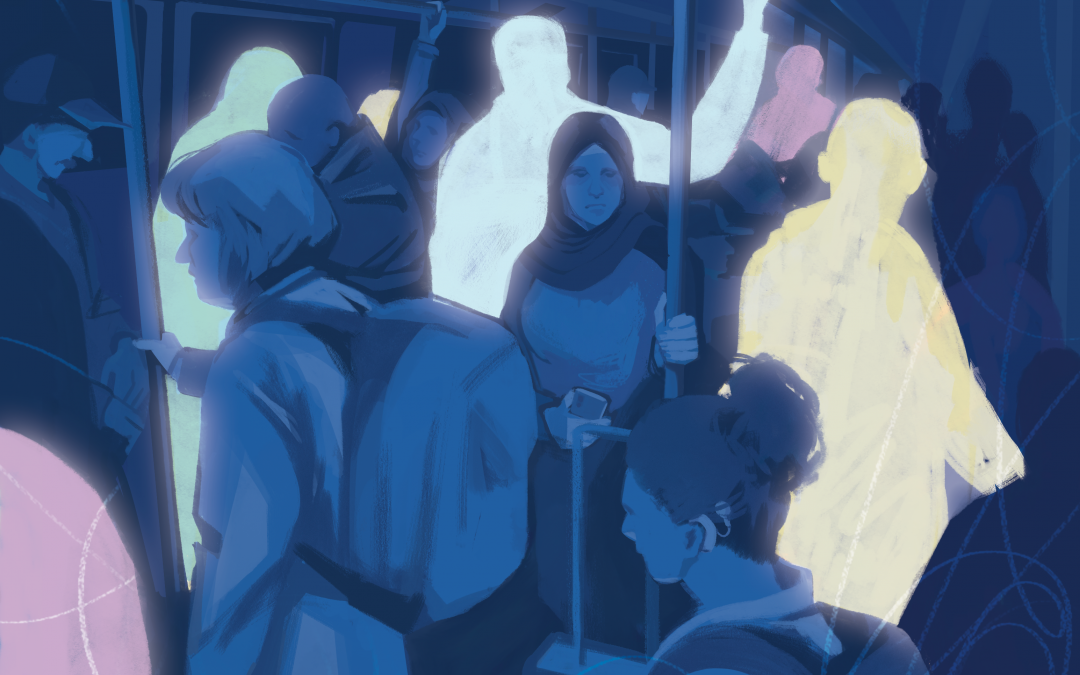
It’s evening in the city and you’re on a walk. You pass a tall apartment building, each window brightly lit, with roughly 120 units inside. The next evening, you pass by again and notice some of the lights have gone out. In fact, each evening, the lights dim in 17 of the units. By the end of the week, you face a stark sight: every light is out and the high-rise is pitch black.
Now, picture a cityscape filled with many similar buildings—and each week, one goes dark. A sobering reminder of the nearly 120 veterans who die by suicide each week.
The issue is complex; the reality heartbreaking. But there is hope, and it is a problem where social workers can indeed make a powerful impact.
Combat and Noncombat Veterans
As a social worker serving veterans—and the family and friends who surround them—a place to begin gaining a broader understanding of veterans’ trauma is by taking a look at the unique perspectives of individual veterans.
Combat veterans often are dealing with the effects of physical injuries related to their deployments, such as illnesses due to toxic exposures or traumatic brain injury. They also confront profound psychological challenges related to their direct exposure to violence and trauma. Keep in mind, too, that a veteran who served in a combat zone but was not on the front lines likely still experienced trauma from indirect threats, such as witnessing the aftermath of battle and war crimes, or from being in a state of continual heightened alert.
These combat-related experiences can cause or lead to post-traumatic stress disorder, characterized by persistent flashbacks, night terrors, and heightened anxiety. The psychological impact of such trauma can linger long after a veteran’s service ends, contributing to ongoing struggles ranging from difficulties in maintaining relationships to major depression and suicidal ideation.
Read the full story in the NASW Social Work Advocates magazine.