By Sue Coyle, MSW
With the passage of the One Big Beautiful Bill Act, social workers must be aware of what lies ahead for the communities, families and individuals they serve.
In the weeks prior to the passage of the One Big Beautiful Bill Act, communities and individuals throughout the country protested and campaigned against it. Of biggest concern were the planned cuts to Medicaid and SNAP (Supplemental Nutrition Assistance Program). As of March 2025, more than 78 million people were enrolled in Medicaid and Children’s Health Insurance Programs (CHIP), and in 2023, an estimated 42.1 million individuals participated in SNAP each month. Advocates were concerned about how the changes detailed in the bill will significantly impact the availability of and access to both programs.
Even the lawmakers pushing the bill forward had little to defend it with. Their reasoning for voting in favor of it ranged from apathetic to flippantly dismissive and cruel. Republican Sen. Mitch McConnell of Kentucky, for example, was quoted as saying, “But they’ll get over it,” while Sen. Joni Ernst, R-Iowa, responded, “We all are going to die” when a constituent told her cuts to Medicaid would end lives.
Nonetheless, after passing in the Senate and the House, President Donald Trump signed the bill into law on July 4, ushering in what have been deemed the largest cuts to the social safety net in this country since the social safety net was created. While the cuts will not occur immediately or all at once, social workers in all sectors must be aware of what is coming and how it will impact their clients, their communities and the programs within them.
Health Care
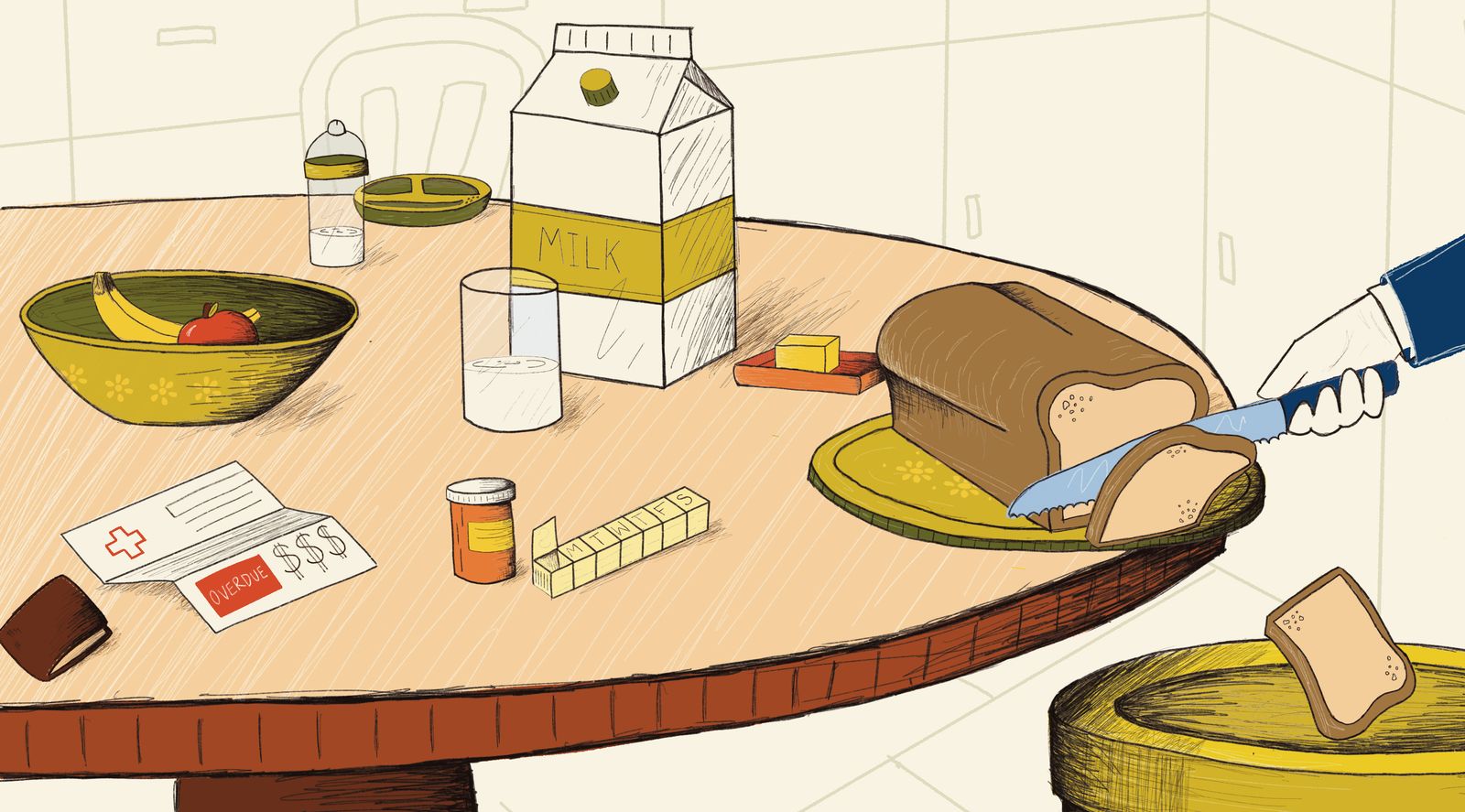
The One Big Beautiful Bill Act aims to cut spending on Medicaid and CHIP by $911 billion over the next 10 years through eligibility restrictions and requirements, limiting types of coverage, and eliminating state incentives for expanding Medicaid through the Affordable Care Act, among other changes. For instance, the act requires all adults between the ages of 19 and 64 to be working, completing community service, or completing work training for a demonstrated 80 hours a month. There are exemptions for specific populations, including those with children under 13 and individuals with serious medical conditions. These changes will go into effect no later than Dec. 31, 2026. Currently, Medicaid eligibility does not hinge on work requirements.
Read the full story in the NASW Social Work Advocates magazine.