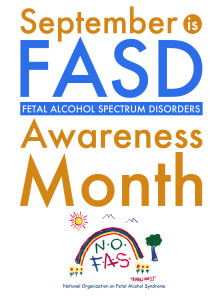
 Fetal Alcohol Spectrum Disorders (FASD) Awareness Month is in September.
 Alcohol use during pregnancy is a leading preventable cause of birth defects and intellectual and neurodevelopmental disabilities. FASD—the general term that encompasses the range of life-long adverse cognitive, behavioral and physical effects associated with prenatal alcohol exposure—affects up to one in 20 children in the United States, and is disproportionately present among youth in foster care and juvenile justice systems.
The National Association of Social Workers (NASW), The University of Texas at Austin School of Social Work, Baylor College of Medicine and the University of Missouri are working together to represent social work as part of the Centers for Disease Control and Prevention’s (CDC) cross-discipline partnership targeting FASD prevention and care.
Need more information on FASD Awareness Month. Visit this website.
Social work is collaborating with leaders in the professions of family medicine, obstetrics and gynecology, pediatrics, medical assistants, and nursing to prevent FASDs by improving health care practice, education, and awareness among healthcare professionals.
NASW and the other organizations urge social workers and their allies get involved in FASD Month in September by taking part in an FASD Art/Photo Contest (submissions are due by September 3).
Also, read this FASD Awareness Month Flier to learn about more activities during the month, including a Twitter Chat on September 6, Thunderclap Social Media Campaign on September 9, an a Fact of the Day.