
By Paul R. Pace
Social workers can learn how to incorporate safety and connection when working with children and youth who may be experiencing difficulties brought on by the COVID-19 pandemic.
Kashera Guy Robinson, LCSW, and Uraina L. Scott, LCSW, school social workers in the Atlanta area, present the NASW Special Practice Sections webinar, How social workers can help students learn to thrive and heal in the midst of an international public health crisis, available at the Social Work Online CE Institute.
It’s important to use regular check-ins with assigned students, Robinson stresses. “For my high schoolers, we have issues with kids not coming into school,” she says. “What we have seen since the pandemic are students having even more issues with absenteeism.”
But there are techniques to address this. You can have students check in with you at an assigned time and location, for example. Since most students love technology, putting a QR code on your door allows students to stop by and scan the code. The code can be programmed for the social worker to be alerted that a student has checked in or needs to see you.
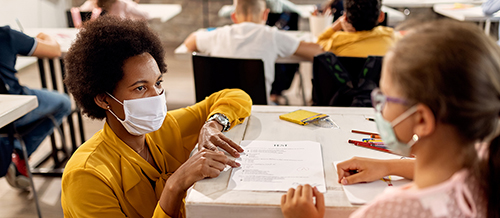
Having a safe place to meet and identifying supportive adults is also important for students, Robinson points out. Social workers can help students find supportive adults in the school, such as teachers, counselors, and other school social workers.
Read the full story in the NASW Social Work Advocates magazine here.