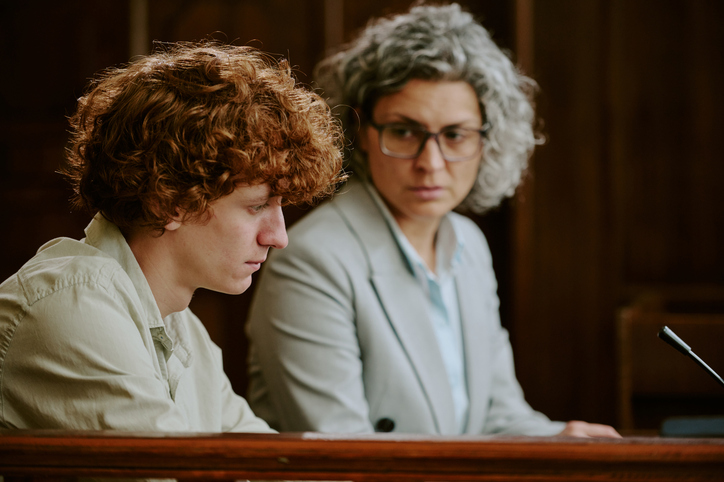

Photo courtesy of Worlding.org.
The Institute of Medicine, Forum on Global Violence Prevention on Oct. 29-30 will convene a workshop in Washington, D.C. focused on social and cultural norms and violence.
The forum is comprised of a multi-sectoral group of stakeholders who are committed to reducing violence and promoting healthy development worldwide by encouraging multidisciplinary research that emphasizes the value of prevention through a public health approach.
The National Association of Social Workers (NASW) notes that the growing need for services requires creative efforts among professionals, advocates, and communities to explore opportunities, challenges, and solutions to eliminate all forms of violence. NASW is a member of the forum.
The objective of this workshop is to inform and create synergies within a diverse community of researchers, implementers, and decision makers committed to promoting violence prevention efforts that are evidence-informed, innovative, and cross-sectoral.
The workshop will look at violence and violence prevention within a broad range of communities and perspectives, with the draft program to address religion and social norms, LGBT youth, impact of chronic exposure to violence, technology and media, and community-based interventions. These discussions will pull from a broad variety of disciplines and perspectives, including the judicial and criminal justice sectors, public health, diplomacy, public safety, human rights, and policy.
According to the World Health Organization (WHO), social and cultural norms are defined as the rules or expectations of behavior within a specific cultural or social group, and while often unspoken, offer social standards of appropriate and inappropriate behavior that govern what is (and is not) acceptable in our interactions with others.
Social or cultural norms are highly influential over individual behavior in a broad variety of contexts, including violence and its prevention due to the fact that norms can create an environment that can either foster or mitigate violence and its deleterious effects.
Register for the forum or live webcast