By Paul R. Pace, News staff
We live in a time of considerable tensions related to differences of all kinds, says Carol Bonner, chairwoman of the NASW National Committee on Racial and Ethnic Diversity, or NCORED.
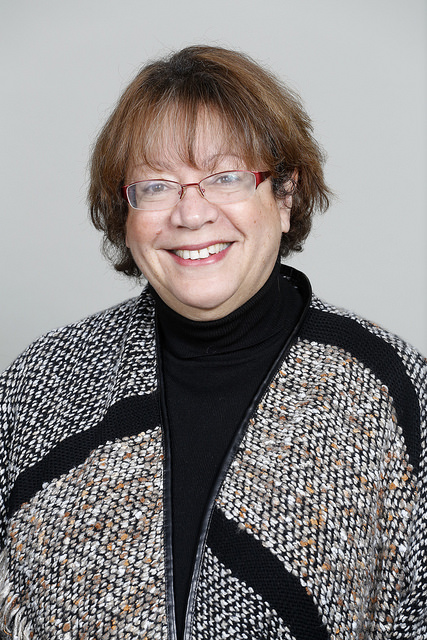
Carol Bonner
“It is the responsibility, as social workers, to lead at all organizational and societal levels, and advocate for social justice, human dignity and human rights,” said Bonner, who serves as associate dean of Salem State University School of Social Work.
To reach those goals, NASW continues to promote its “Standards and Indicators for Cultural Competence in Social Work Practice,” which was updated in 2015.
The standards offer updated concepts and definitions integral to practice, Bonner said, including more inclusion of issues related to immigrants, refugees, tribal groups, and gender identity and expression.
The latest dissemination effort is a four-part series of webinars offered through the NASW Professional Education Training Center, or PETC. The webinars are available on demand only for NASW Specialty Practice Section members.
Learn how to become a SPS member at www.socialworkers.org/sections.
The webinars started in the fall of 2016 and the final session will take place this month, with Bonner scheduled as the presenter for the topic “Leadership to Advance Cultural Competence.”
“In addition to how we work with individuals, groups, organizations and communities with the knowledge, skill, values and ethics explained in the standards, we cannot underestimate the need for focused leadership efforts,” Bonner said.
The other titles in the series are “Challenges and Complexities of Cultural Competency in Social Work Practice,” “Developing Cultural Humility in Social Work Practice,” and “Strategies to Address Language and Communication Barriers.”
Bonner said the webinars are among the strategies for dissemination of the standards the NCORED has developed.
“We found that relatively few webinars existed on the topic of cultural competence,” she explained. “We agreed to focus our efforts this year on sharing changes through webinars. We are pleased that that they have been well received.”
The webinars have complemented the standards by providing opportunities for applying the information in the standards to social work practice, Bonner noted.
Participants who pass the webinars’ post test can receive cross-cultural contact hours.
From the April 2017 NASW News.