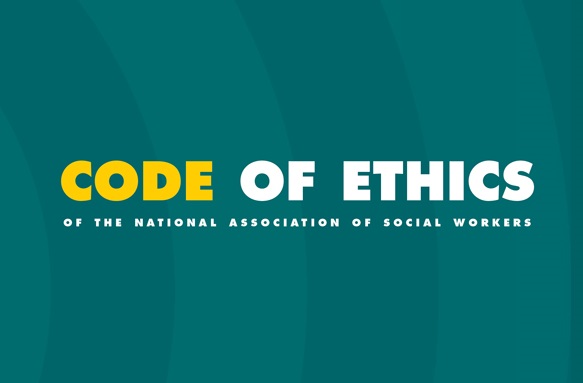
The revised NASW Code of Ethics went into effect January 1, 2018. These revisions reflect the most substantive changes to the Code since 1996. The 2017 revisions to the Code focus largely on the use of technology and the implications of technology for ethical practice. Nineteen sections of the Code were affected. Make sure you know how these significant changes impact the profession and your practice.
Thousands of social workers have already participated in the Official NASW Training on the 2017 Revisions to the Code of Ethics presented by nationally acclaimed social work ethics experts, and Code of Ethics Revisions Task Force members, Dr. Allan, Barsky, Dr. Frederic Reamer, and Dawn Hobdy. Have you viewed the webinar? Still have questions? Join one of three post-course discussions:
- February 9, 2018 2:00 to 3:30 pm ET
- February 15, 2018 5:00 to 6:30 pm ET
- February 24, 2018 10:00 to 11:30 am ET
Registration is free. Space is limited. 250 participants per session will be accepted. No continuing education credit is available for the Q&A sessions.
If you have not already done so, please view the official NASW Training on the 2017 Revisions to the Code of Ethics webinar for free. You also can earn CEs for a fee.
Viewing the recording is a pre-requisite for participation in the Q & A session.