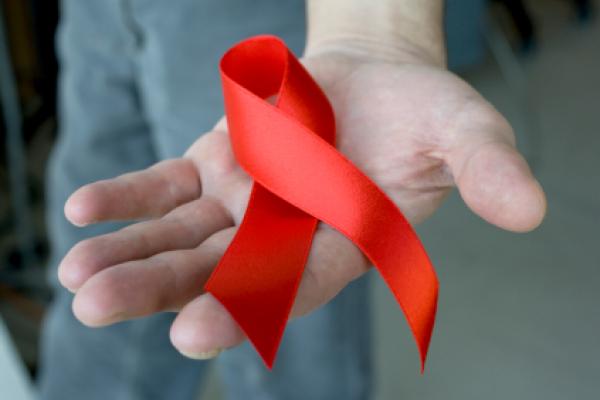
 President Obama on July 30 signed an executive order launching The National HIV/AIDS Strategy (NHAS) for the United States: Updated to 2020. Building on the goals of the 2010 NHAS, the updated strategy is a set of priorities and strategic action steps tied to measurable outcomes for moving the nation forward in addressing the domestic HIV epidemic.
President Obama noted, “We’ve come a long way in the fight against AIDS and we can’t let up now. For those whose lives are still at risk, and for those who didn’t live to see this moment let’s keep working for an AIDS Free Generation.”
In communities across the nation, social workers are engaged in the practice, policy, and research efforts that support these overarching goals of the NHAS:
- Reduce new infections.
- Increase access to care and improve health outcomes for people living with HIV.
- Reduce HIV-related health disparities and health inequities.
- Achieve a more coordinated national response to the HIV epidemic.
The White House also announced plans to release a federal action plan to implement the Updated Strategy on December 1st, World AIDS Day.
To review the strategy and learn more about HIV/AIDS, go to the AIDS.gov website. And for more information on NASW programs regarding HIV/AIDS contact NASW Senior Policy Associate Evelyn Tomaszewski, MSW, at etomaszewski@naswdc.org.