Serious health effects, a simple prevention message: no alcohol use during pregnancy. Prenatal alcohol exposure is the most common preventable cause of intellectual and developmental delays and disabilities in the United States. It is estimated that up to one in 20 U.S. school children are living with fetal alcohol spectrum disorders (FASDs), a group of lifelong cognitive, behavioral and, in some cases, physical conditions that can occur in a person who was exposed to  alcohol before birth. Outcomes from alcohol use during pregnancy and FASDs occur in every social, economic, and demographic group, among social drinkers as well as binge drinkers.
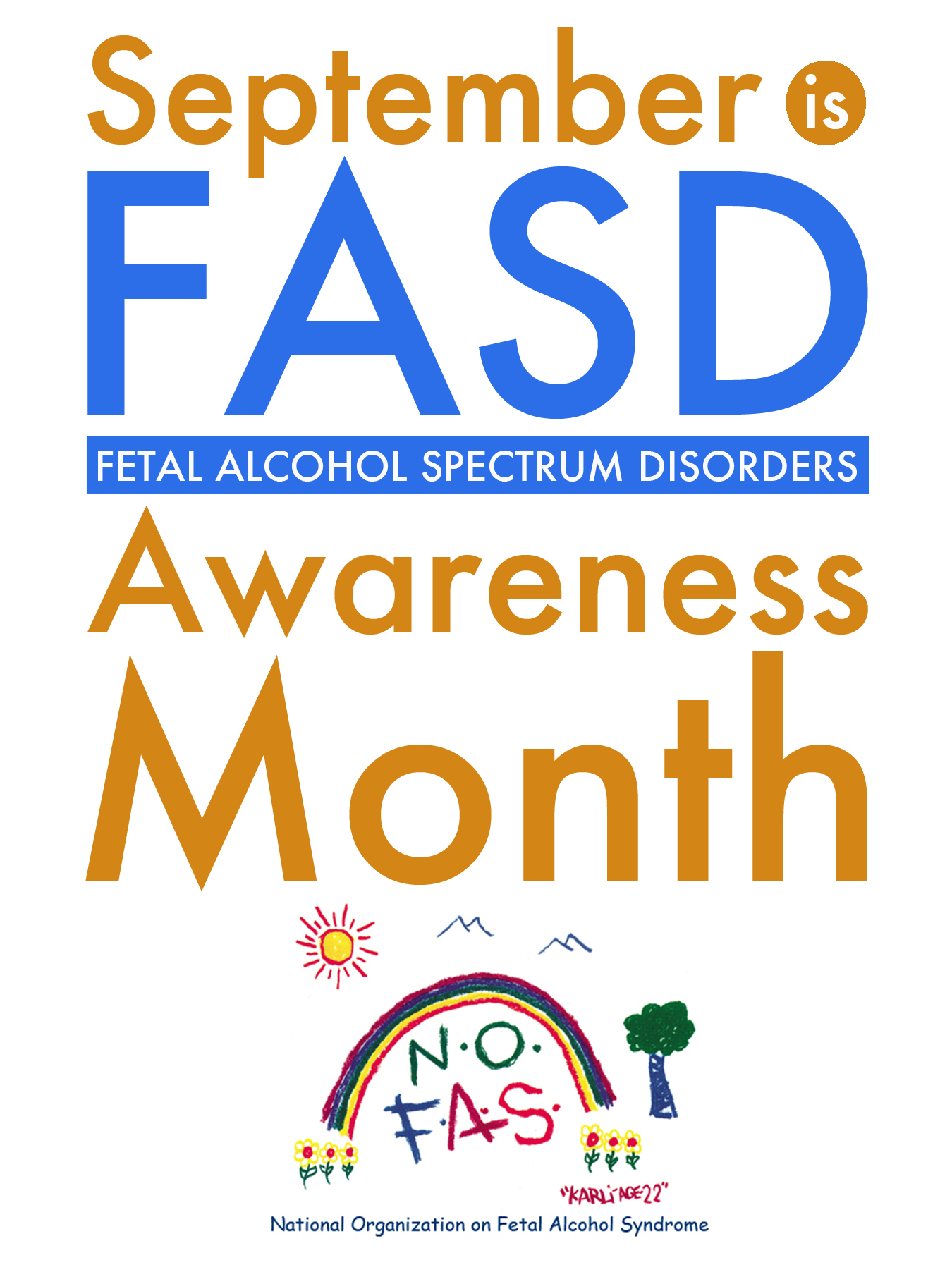
September is FASD Awareness Month, an opportunity to highlight social work’s critical role in participating in FASD assessment and referrals, providing FASD-informed services, and advocating for individuals and families living with FASDs.
But it is also a reminder and a call to action: Primary prevention of alcohol use during pregnancy can reduce the prevalence of FASDs. Social workers are encouraged to put prevention into practice by screening clients for risky alcohol use, talking to women about risky alcohol use, and by clearly communicating the importance of avoiding alcohol during pregnancy. The key message is simple: No amount of alcohol is known to be safe during pregnancy — “No safe amount; No safe time; No safe alcohol. Period.”
NASW and the NASW Foundation along with the American College of Obstetricians and Gynecologists, American Academy of Pediatrics, and other leading medical organizations have teamed with the Centers for Disease Control and Prevention in the Collaborative for Alcohol-Free Pregnancy, a cross-discipline public health initiative. Together, we are working to encourage health professionals to incorporate proven prevention strategies into practice.
To learn more, visit NASW’s Behavioral Health web page for selected practice tools and professional development resources. Additional clinical resources that may be relevant to your social work practice are available through our Collaborative partners:
- Centers for Disease Control and Prevention, Fetal Alcohol Spectrum Disorders (FASD) Training and Resources;
- American Academy of Pediatrics, Fetal Alcohol Spectrum Disorders Toolkit; and,
- American College of Obstetricians and Gynecology, Fetal Alcohol Spectrum Disorders (FASD) Prevention Program.