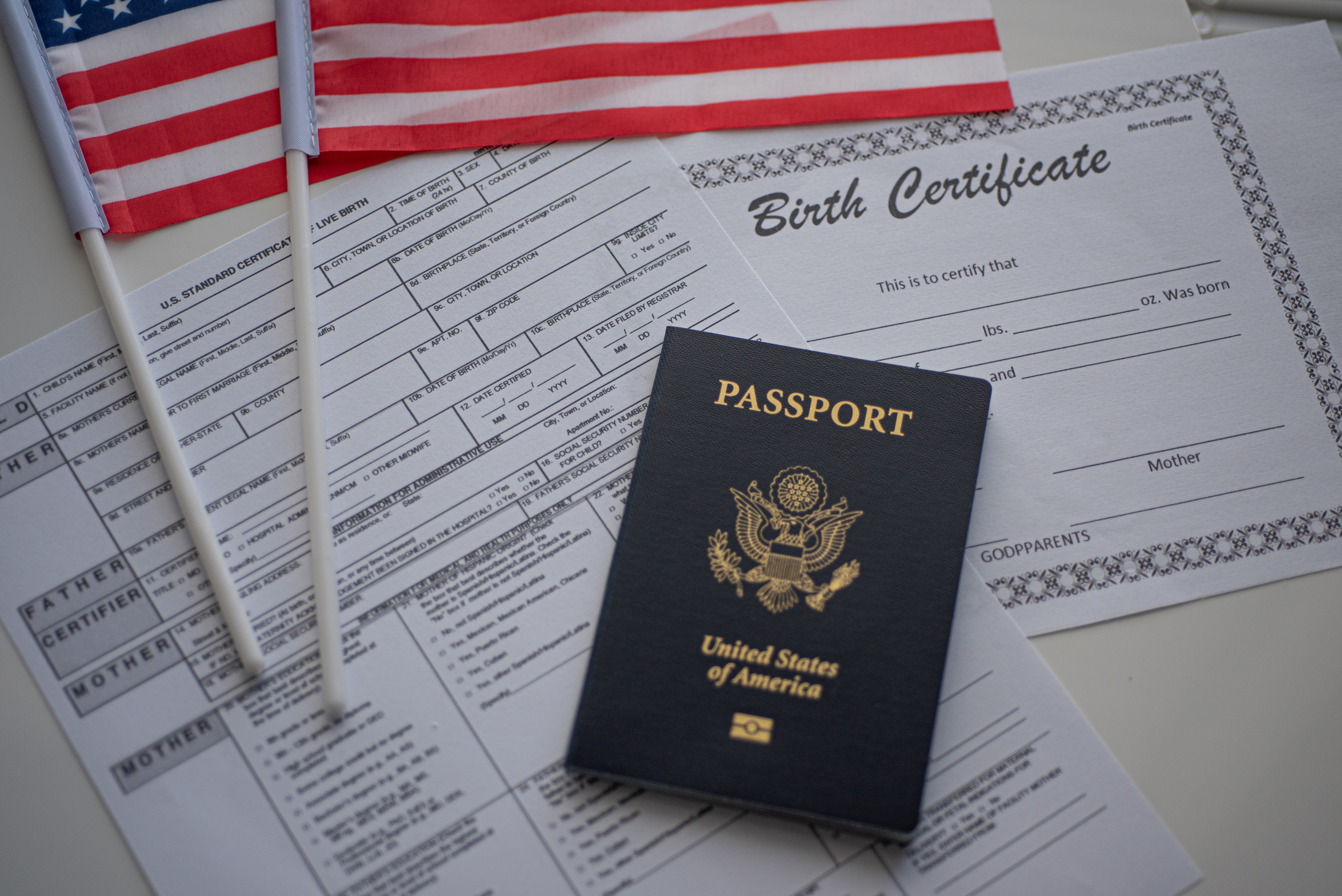
The U.S. Supreme Court’s June 30 decision upholding the Birthright Citizenship provision of the 14th Amendment represents a critical victory for child welfare, social justice, and human rights which are core tenets of the social work profession. This ruling affirms one of America’s most essential post-Civil War constitutional protections, originally designed to guarantee citizenship to formerly enslaved people. For over a century, it has rightfully evolved into the foundational safeguard ensuring all U.S.-born children possess full citizenship rights, regardless of their parents’ immigration status or national origin.
Centering Children in the Birthright Citizenship Debate
As social workers, we must emphasize what has been deliberately obscured by political rhetoric: Birthright Citizenship is fundamentally about protecting children – not adjudicating their parents’ status. For generations, the Fourteenth Amendment has guaranteed that every child born on American soil begins life with equal legal standing, dignity, and access to opportunities. This aligns directly with the NASW Code of Ethics, which obligates social workers to promote the well-being of all people, with particular attention to vulnerable and oppressed populations, including children and immigrant communities.
The Supreme Court’s decision preserves this principle of equal protection, and NASW applauds the Court for upholding constitutional integrity and child welfare.
The High Stakes for Children and Families
The stakes in this case were extraordinarily high, not just legally, but humanely. Had the Court sided with the Trump executive order, hundreds of thousands of children born in the United States annually would have faced profound legal ambiguity about their citizenship status throughout their formative years. Such uncertainty would have directly threatened:
Access to healthcare: Including preventive care, mental health services, and treatment for chronic conditions
- Educational opportunities: From early childhood programs through higher education
- Child welfare protections: Including foster care, adoption services, and abuse prevention systems
- Economic security: Through denial of safety-net programs like nutrition assistance, housing support, and income supplements
- Psychosocial development: The trauma and stigma of being treated as “less than” would have inflicted lasting harm on children’s identity formation, mental health, and sense of belonging
These consequences would have disproportionately impacted Latino, Asian, Black, and other communities of color and exacerbating existing systemic inequities that social workers are ethically bound to challenge.
Remaining Vigilant: The Fight Continues
While this ruling temporarily protects current birthright citizenship holders, we cannot afford complacency. The dissenting opinions, particularly from Justices Kavanaugh and Thomas signal that Birthright Citizenship remains vulnerable to future legal challenges. Moreover, the Trump administration has already begun mobilizing efforts to circumvent or overturn this decision.
NASW’s Commitment and Call to Action
This moment demands that NASW and our partners in the immigration rights, civil rights, and child welfare communities remain vigilant and mobilized. Our collective work must include:
Advocacy: Pressing Congress to codify Birthright Citizenship protections into federal statute
Coalition-building: Strengthening alliances across social justice movements
Public education: Countering misinformation and centering the voices of affected children and families
Direct service: Ensuring social workers in schools, hospitals, child welfare agencies, and community organizations can effectively serve all children regardless of citizenship debates
Policy monitoring: Tracking administrative actions that threaten constitutional protections
Our Ethical Imperative
The NASW Code of Ethics calls us to challenge social injustice and pursue social change on behalf of vulnerable populations. Every child born in this country belongs here and deserves the full rights, protections, and opportunities afforded to them from birth—regardless of their parents’ immigration status. This is not merely a legal principle; it is a moral imperative rooted in human dignity, equity, and our profession’s commitment to service.
As social workers, we will continue to stand with immigrant families, advocate for children’s rights, and defend the constitutional protections that make America a place where all children can thrive.
Additional Resources
NASW Advocacy website
The Leadership Conference on Civil and Human Rights
American Civil Liberties Union
NAACP Legal Defense and Education Fund
Asian Law Caucus